

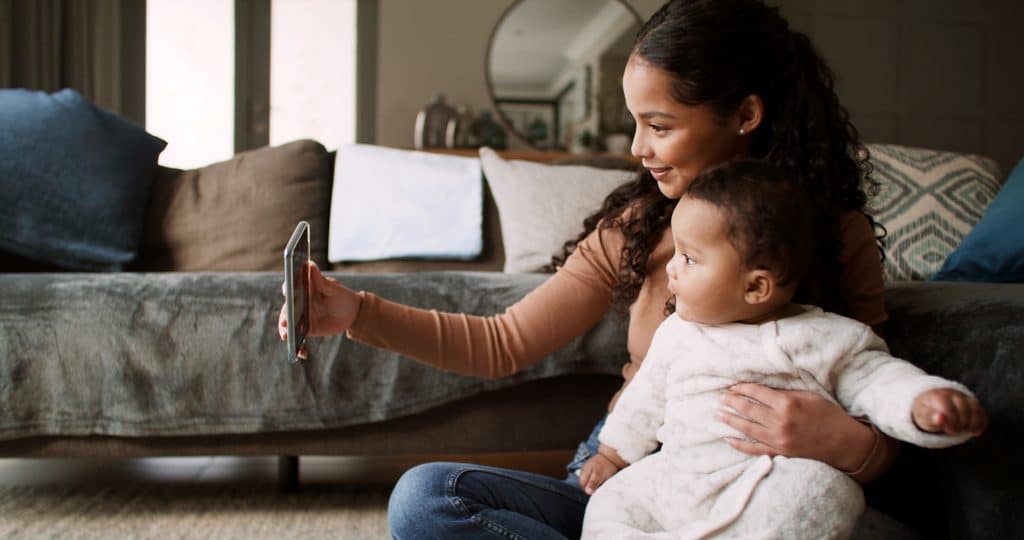
Children today are one the first generations to have parents who are active on social media. Many parents post pictures of their kids online without their permission. But how do their children feel about this?
Words:
- When someone commits identity fraud, they are using someone’s identity to carry out illegal activities under that person’s name.
- To document something means: to capture and save it, for example by taking pictures of an experience and putting them on social media.
- If you have veto power, it means you have the right to put a stop to something if you disagree with it. This comes from politics: to veto a decision means to block it.
- The implications of something are its effects or impact. For instance, a conviction for theft can have serious implications for someone.
- Your digital footprint is the trail you leave behind on the internet through your online activities.
- To aggravate someone is to make them angry, but to aggravate something is to make it worse.
Video:
Warming up
1. You’re about to watch a video where children talk to their parents about sharing pictures of them online. Do your parents post pictures of you online, or have they done so in the past? If so, how do you feel about that?
2. The video also discusses topics like online safety and identity fraud. What do you do to stay safe online?
Questions about the video
Watch the video from 0:00-1:27.
3. The beginning of the video shows a definition of the word ‘sharenting’. Which of these situations would be considered sharenting? There are multiple correct answers.
A: A father puts his daughter’s name and her grades on LinkedIn and writes a post about how proud.
B. A mother shows her sons’ school pictures to their grandparents at a birthday party.
C. A father makes a digital photo album of his family holiday with his two children and his stepchild as a surprise for his wife.
D. Parents put a video on YouTube about how they are raising their children, including details about their life.
E: A mother shares pictures on Instagram of the day she welcomed her adopted child into her home.
F: Parents make a funny TikTok video of how their children respond to their Christmas gifts. The video goes viral.
4. In the video Lucy (the youngest girl) and her mother have a discussion about the dos and don’ts of posting pictures of Lucy on social media. Which argument does her mother give for why she posts these pictures and which counterargument does Lucy give in return? Does Lucy’s mother agree? Explain the interaction.
Watch the video from 01:27 to 02:30.
5. The boy, Elmer, explains two examples of posts that his mother put on Facebook: one where he isn’t wearing a shirt, and one with a letter about his credit card. Both these pictures affect his privacy, but in different ways. Explain why he would not want these pictures online.
6. Elmer’s mother says her account is private, so it doesn’t matter what she posts. What counterargument does Elmer give?
Watch the video from 02:30 to the end.
7. The girl, Zoya, and her mother have a discussion about a picture the mother posted of her daughter in her bathing suit. Look at the statements below. Which of statements could be said by Zoya?
- I would feel depressed if I could not post pictures of my family on Instagram.
- An embarrassing photo isn’t as bad as a picture in a bathing suit.
- If I don’t post pictures of my holiday, I might as well not have gone on holiday.
- If you wear a bathing suit in public, you can’t complain about it ending up on social media because anyone could have taken a picture of you on the beach.
- A stranger has a different responsibility when it comes to posting pictures of me compared to my parent.
- I am very aware of the effects of someone’s digital footprint and what happens to pictures that are posted online.
- It’s ridiculous that parents can be sued for sharing too much their child online.
8. Why does Zoya think she should have ‘veto power’ when it comes to the pictures her mother posts?
Task
Option 1: Your parent wants to post a picture of you on social media. You need to convince them not to. What arguments would you use? Give at least two arguments. You can decide what kind of photo it is and what it shows.
Option 2: What can the government do to protect children from the implications of their parents’ actions online and their digital footprint (such as online predators, deepfakes, and identity fraud)? In a short paragraph, write a proposal for a new law that should help protect children from the risks that come with a digital footprint.
Van de makers van All Right!, Of Course! en Taalblokken Engels
Antwoorden bekijken
Om de antwoorden te kunnen zien, moet je zijn ingelogd. Heb je nog geen account? Meld je dan nu aan! Het is GRATIS.